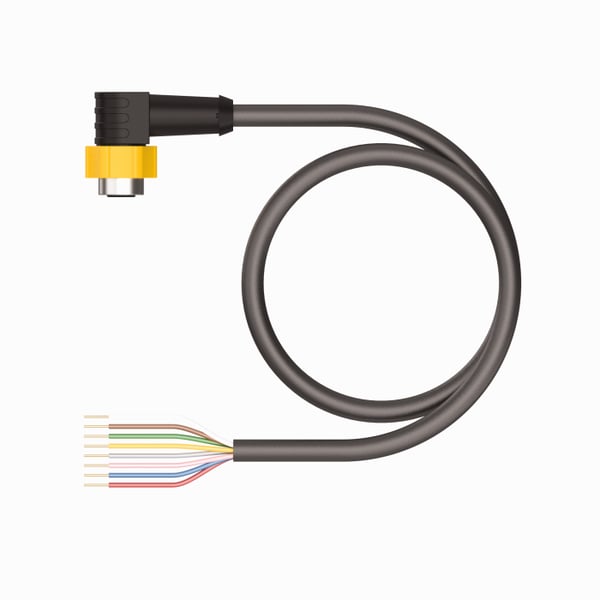
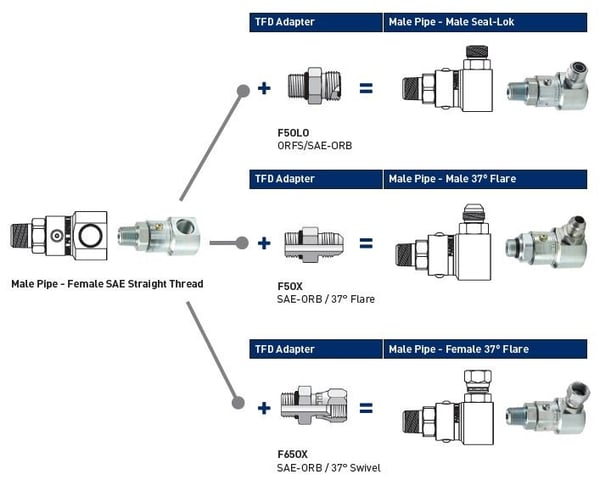
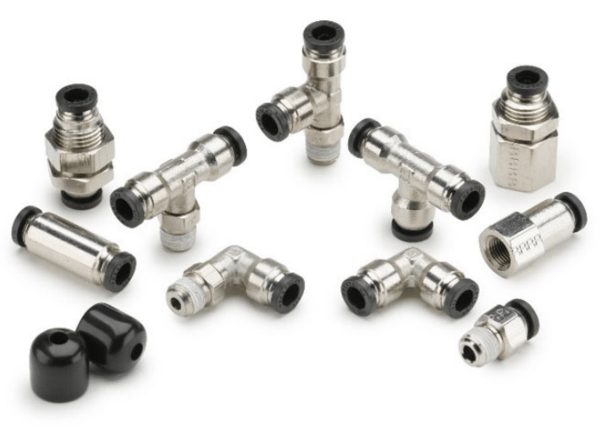
Understanding M12 Connectors: A Comprehensive... In the vast realm of industrial connectivity solutions, M12 connectors stand out as a ubiquitous... Read More
MFCP Ranks #36 in the 2023 Industrial... In the world of industrial distribution, competition is fierce, and staying ahead of the curve is... Read More
Motion and Flow Control Products, Inc.'s... We are thrilled to announce that Motion and Flow Control Products, Inc.'s Louisville, CO location... Read More
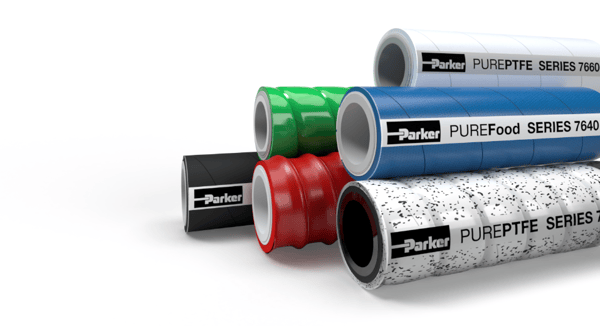
Finding the Best Industrial Food and Beverage... When it comes to selecting food and beverage hoses, it's important to consider factors such as... Read More
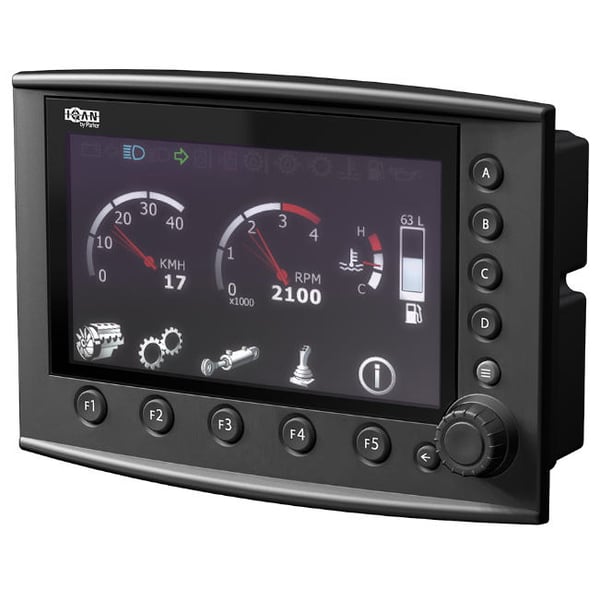
Parker IQAN MD3 Displays Discontinued Parker’s Electronic Motion and Controls Division announced last week that it is discontinuing its... Read More
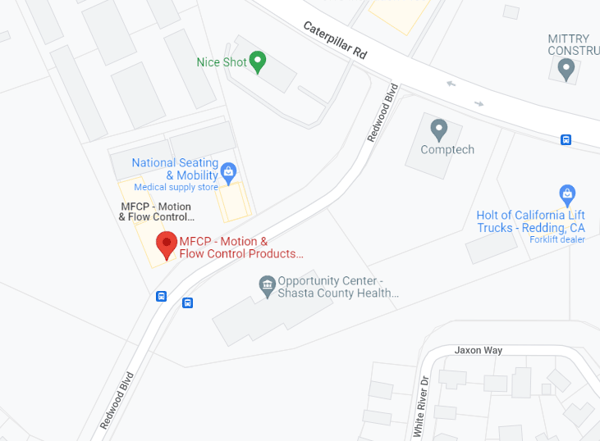
Visit Our New ParkerStore in Redding, CA MFCP brings hydraulic, pneumatic, electromechanical, and process control parts and systems from... Read More
Supply Chain Challenges Force More Parker Product... The supply chain is forcing manufacturers to look for alternative materials to use in production,... Read More
Visit Our New ParkerStore in Modesto, CA MFCP brings hydraulic, pneumatic, electromechanical, and process control parts and systems from... Read More
Parker Recent Product Changes Recently, Parker made several product changes and obsoletions .. Parker Crimp Fittings & Hose... Read More
MFCP Ranks No. 38 in Industrial Distribution's... Motion & Flow Control Products has entered the conversation for top global industrial distributors,... Read More
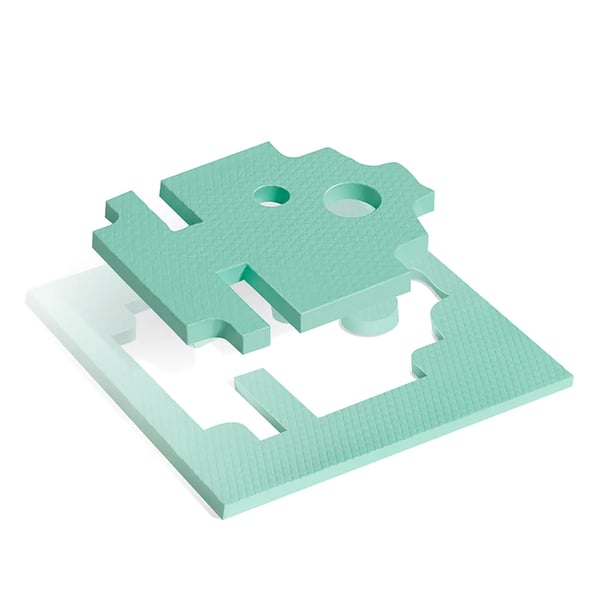
New: PAD60 & PAD30 Thermal Gap Fillers from... Parker Chomerics has recently introduced two new thermal gap filler materials. PAD60 and PAD30 are... Read More
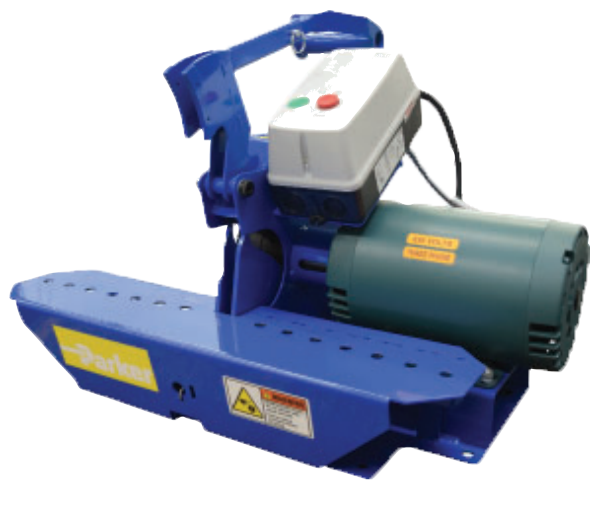
New Hose Cut-Off Saws from Parker Hannifin This week, Parker’s Hose Products Division announced new cut-off saws replacing the old workhorse... Read More
Thermal Management for Mining Equipment - Free... Most people associate the term "thermal management" with heat dissipation in electronic... Read More
Workaround for Parker Rationalized PS & S Series... Parker Quick Coupling Division eliminated several part configurations and options from its PS... Read More
Flexible Connectors in Food & Beverage Industry If you are asking, “what kind of flexible fitting should I use in a Food plant,” or you are looking... Read More
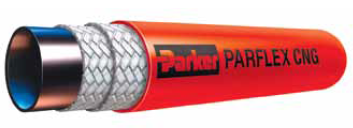
Measures to Keep Production of 5CNC Hose... Last week, Parker Parflex Division announced new measures to ensure the availability of the 5CNG... Read More
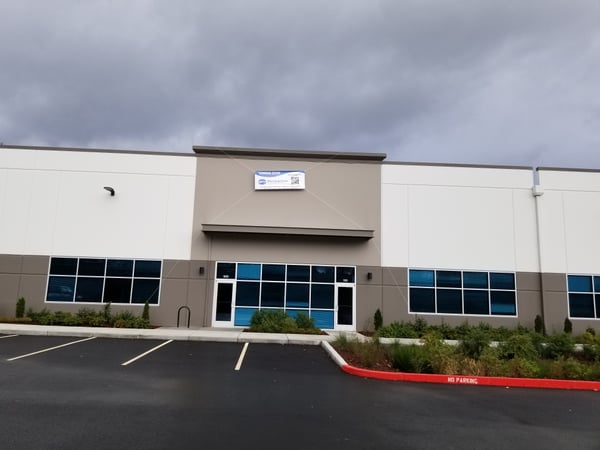
Our Salem, OR ParkerStore is Moving WE ARE MOVING to 3992 Fairview Industrial Dr. SE, Suite 110, Salem, OR 97302. Read More
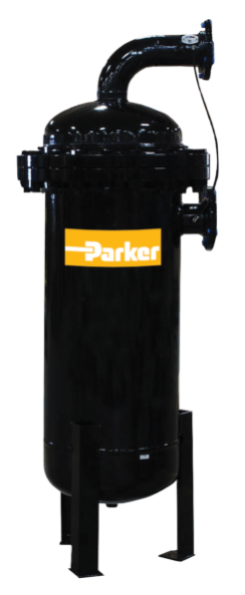
A New Series Mist Eliminators Will Replace Parker... The supply chain issues continue to cause delayed product deliveries and the availability of raw... Read More
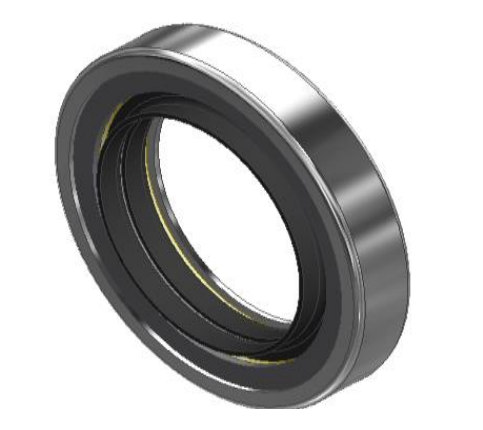
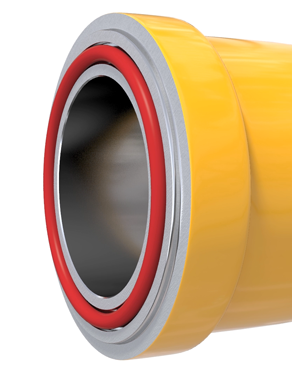
Finding the Right Press in Place (PIP) Seal We receive many requests regarding seal retention, but why is it so important? There are three main... Read More